
The textile industry relies on high-speed, precision machinery to produce high-quality yarns and fabrics. From spinning and weaving to knitting and finishing, textile machines operate continuously under demanding conditions. Choosing the right lubricant is essential for maintaining equipment performance, reducing wear, and maximizing productivity.
Why Textile Lubricants Are Important
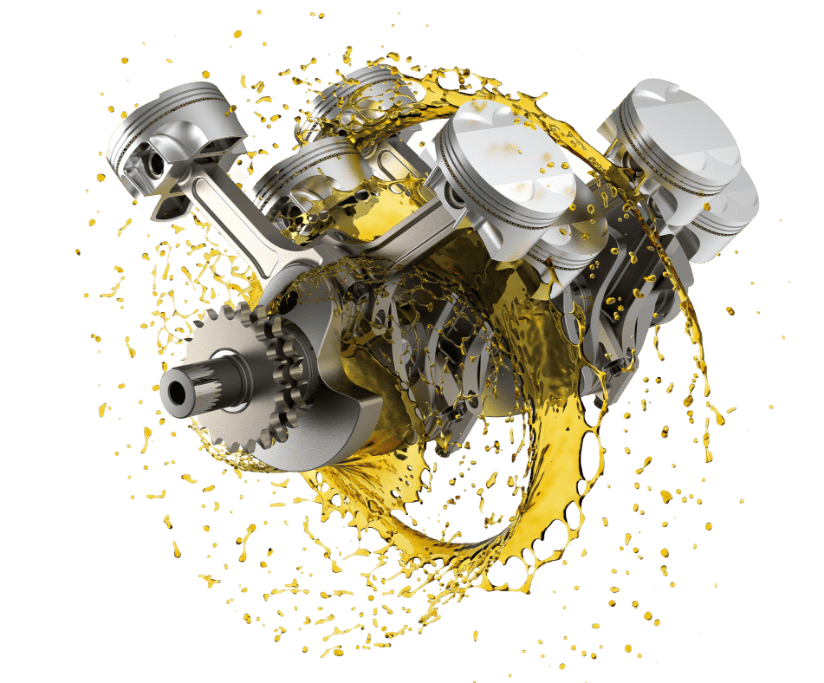
Textile machinery contains numerous moving parts that operate at high speeds and require reliable lubrication. Without proper lubrication, excessive friction and heat can cause premature wear, unexpected breakdowns, and costly production downtime.
High-quality textile lubricants provide several important benefits:
- Reduce friction and component wear
- Minimize heat generation during operation
- Protect against rust and corrosion
- Keep machinery clean by reducing deposits and sludge
- Improve machine efficiency and operational reliability
- Lower maintenance costs and extend equipment life
Common Types of Lubricants Used in the Textile Industry
1. Spindle Oil
Spindle oil is specifically designed for high-speed spindles used in spinning and twisting machines. Its low viscosity ensures smooth operation, excellent heat dissipation, and minimal residue, helping maintain product quality.
2. Circulating Oil
Circulating oil is used in centralized lubrication systems to lubricate bearings, gears, and other moving components. It offers excellent oxidation stability, effective cooling, and long service life.
3. Gear Oil
Gear oil is formulated to protect enclosed gearboxes operating under heavy loads. It provides outstanding anti-wear performance, reduces friction, minimizes noise, and extends gear life.
4. Industrial Grease
Industrial grease is commonly applied to bearings, rollers, and other components requiring long-lasting lubrication. It offers excellent adhesion, water resistance, and protection under high-load conditions.
How to Select the Right Textile Lubricant
Selecting the appropriate lubricant depends on several factors, including:
- Machine operating speed
- Recommended viscosity grade specified by the equipment manufacturer
- Operating temperature
- Load and pressure conditions
- Anti-wear and anti-corrosion performance
- Lubricant cleanliness to minimize contamination of fibers and fabrics
- Compliance with industry standards and equipment requirements
Benefits of Using High-Quality Textile Lubricants
Using premium lubricants can significantly improve the performance and reliability of textile machinery. Key advantages include:
- Increased production efficiency
- Reduced equipment downtime
- Lower maintenance and repair costs
- Extended machine service life
- Improved energy efficiency
- Consistent fabric quality with reduced risk of oil contamination
- Enhanced operational reliability in continuous production environments
Conclusion
Textile lubricants play a critical role in ensuring the smooth and efficient operation of textile manufacturing equipment. By selecting the right lubricant for each application, manufacturers can reduce maintenance costs, improve machine reliability, increase productivity, and maintain the highest standards of product quality. Investing in high-performance lubricants is a cost-effective strategy for achieving long-term operational success in the textile industry.