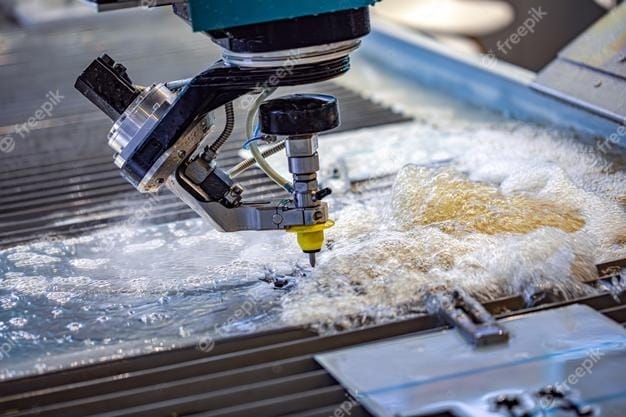
Selecting the right soluble cutting fluid is essential for the success and efficiency of the metalworking process. Cutting fluids play a key role in reducing friction, cooling, protecting the workpiece and tool, and flushing chips during machining. With so many options available on the market, it is essential for manufacturers to understand the factors that influence the performance of a cutting fluid and the key considerations to make the most appropriate choice for their specific application. This article provides an in-depth analysis of how to select the right cutting fluid, taking into account the factors that influence performance and the specific machining requirements at hand.
1. Understanding Water-Mixed Cutting Fluids
Water-mixed cutting fluids, also known as soluble or emulsified oils, are a type of cutting fluid that is mixed with water to form a stable emulsion. These fluids consist of base oils, emulsifiers, and additives that provide specific performance properties. The main advantages of water-mixed cutting fluids include their excellent cooling properties, lower cost compared to oil-based cutting fluids, and environmental friendliness.
1.1 Water-Mixed Cutting Fluid Composition
Common water-soluble cutting fluids consist of the following components:
a) Base oil: Base oils act as the primary lubricant and may be of mineral, synthetic or semi-synthetic origin. The choice of base oil will affect the lubricity, stability and compatibility with the material being cut of the fluid.
b) Emulsifier: These are surfactants that help disperse the oil in water, forming a stable emulsion. Emulsifiers may be anionic, cationic or nonionic, and the choice will affect the emulsion stability, corrosion protection and foaming tendency of the cutting fluid.
c) Additives: Various additives are used to enhance the performance of water-soluble cutting fluids, such as corrosion inhibitors, biocides, defoamers and extreme pressure (EP) additives. The right mix of additives is essential to achieve optimum performance, long service life and safety.
2. Factors Affecting Cutting Fluid Performance
A number of factors affect the performance of water-soluble cutting fluids. This includes the type of cutting, material compatibility, tool life and environmental considerations. Understanding these factors is essential to selecting the most suitable cutting fluid for a specific application.
2.1 Machining Operation
Different cutting operations, such as turning, milling, grinding or drilling, have different requirements in terms of lubrication, cooling and chip evacuation. For example, grinding requires cutting fluids with excellent cooling properties, while heavy-duty machining, such as deep hole drilling, requires highly lubricating and pressure-resistant fluids.
2.2 Material Compatibility
The compatibility of the cutting fluid with the workpiece material and tool material is important to ensure optimum performance. Some water-soluble cutting fluids may cause fouling or corrosion on certain metals, while others may not be suitable for use with specific tool materials, such as carbide or high-speed steel.
2.3 Tool Life
The right cutting fluid should extend the life of the cutting tool by reducing wear, preventing corrosion and reducing friction. Factors such as the concentration of the cutting fluid, the type of base oil and the presence of extreme pressure additives all affect tool life.
2.4 Environmental and Health Considerations (Environmental and Health Considerations)
Manufacturers should also consider the environmental and health impacts of their cutting fluids. Water-based cutting fluids are generally more environmentally friendly than straight-type fluids, as they are water-based and biodegradable. However, some additives can pose health risks, so it is important to select a cutting fluid that has low toxicity and minimal environmental impact.
3. Key Considerations for Selecting Water-Based Cutting Fluids
When selecting a cutting fluid, it is important to consider the specific machining requirements, material compatibility, and environmental and health factors. The following key considerations can help guide the decision-making process:
3.1 Cutting Application Requirements
Identify the specific machining requirements, such as lubrication, cooling, and chip evacuation. This will help identify the appropriate combination of base oils, emulsifiers, and additives for the cutting fluid. For example, if cooling is important, select a cutting fluid with a high water content and excellent emulsion stability. If the application requires high lubrication, select a cutting fluid with a higher base oil concentration and appropriate extreme pressure additives.
3.2 Material Compatibility
Ensure that the selected cutting fluid is compatible with both the workpiece and tool materials. Consult the cutting fluid manufacturer’s guidelines for compatibility with different metals. Since some fluids can cause stains or corrosion, also check that the cutting fluid is suitable for the specific tool material, such as carbide or high-speed steel, as some cutting fluids can cause tool wear.
Premature deterioration or reduced tool life.
3.3 Concentration and stability
Coolant concentration has a direct impact on performance, tool life and cost. In general, higher concentrations provide better lubrication and corrosion protection, but may also increase cost and the risk of foaming. It is essential to adhere to the manufacturer’s recommended concentration range and ensure that the fluid is properly maintained to achieve optimum performance and stability.
3.4 Environmental and health impacts
Select cutting fluids that have a low environmental impact and pose the least health risk. This may involve selecting fluids that contain biodegradable base oils, low toxicity additives and low volatility to reduce the risk of operator exposure. Look for certified cutting fluids and regulatory approvals, such as REACH (Registration, Evaluation, Authorisation, and Restriction of Chemicals) and NSF H1 (food grade lubricants), to ensure compliance with environmental and health standards.
3.5 Fluid maintenance and life cycle
Consider the ease of maintenance and expected service life of the cutting fluid. Cutting fluids with good emulsion stability and resistance to biodegradation will require less frequent replacement and reduce waste disposal costs. Implementing a proper fluid maintenance program Regular monitoring of fluid concentration, pH and contamination levels will help extend fluid life and reduce overall costs.
3.6 Vendor Support and Expertise
Finally, consider the level of support and expertise provided by the cutting oil manufacturer. A reputable supplier should provide technical advice, compatibility testing and fluid management support to ensure optimum performance and long life of the cutting oil. Partnering with a knowledgeable and responsive supplier can help streamline the selection process and improve machining efficiency.
Conclusion
Selecting the right cutting oil is essential to ensuring the best performance, long life and cost-effectiveness of the cutting operation. By understanding the components and factors that influence cutting oil performance, and carefully considering the specific needs of the cutting operation, material compatibility and environmental and health factors, manufacturers can make informed decisions and select the most suitable cutting oil for their application. Proper lubricant maintenance and a strong partnership with a knowledgeable supplier can improve the performance and life cycle of the selected cutting oil, ultimately contributing to the overall success of the machining process.