Types, Properties, Applications, and Selection for Industrial Use
1. What Is Carbon Steel?
Carbon steel is a type of steel in which carbon is the principal alloying element. The carbon content has a significant influence on the material’s strength, hardness, ductility, and formability. In addition to iron and carbon, carbon steel may contain small amounts of other elements such as manganese, silicon, phosphorus, and sulfur. Unlike alloy steels, carbon steels are not generally designed with large additions of alloying elements to achieve specialized properties.
Carbon steel is widely used because it is available in many grades, offers a practical balance of cost and performance, and can be processed by a variety of manufacturing methods. It is commonly found in construction, machinery, automotive components, pipes, tanks, and general industrial equipment.
2. Classification by Carbon Content
A common way to classify carbon steel is by its carbon content by weight. The ranges below are general guidelines; exact boundaries may vary according to standards and industry references.
| Type | Approximate Carbon Content | Typical Characteristics and Uses |
| Low Carbon Steel | Up to approximately 0.25% | Ductile, easy to form and weld; used for sheet metal, vehicle bodies, pipes, and general structural applications. |
| Medium Carbon Steel | Approximately 0.25–0.60% | Offers greater strength and wear resistance than low carbon steel; used for shafts, gears, and machinery components. |
| High Carbon Steel | Approximately 0.60–1.00% or higher in some classifications | Can achieve high hardness and wear resistance, but generally has lower ductility; used for springs, high-strength wire, and selected tools. |
3. Key Properties of Carbon Steel
- Strength and Hardness: As carbon content increases, carbon steel generally has the potential to achieve higher hardness and strength, depending on its grade and processing history.
- Ductility and Formability: Low carbon steel is usually more ductile and easier to form. Higher-carbon grades are generally less ductile.
- Weldability: Low carbon steel is typically easier to weld. Higher-carbon steels may require controlled preheating, welding procedures, and cooling to reduce the risk of cracking.
- Heat-Treatment Response: Medium and high carbon steels can be heat-treated, for example by hardening and tempering, to obtain specific combinations of hardness, strength, and toughness.
- Corrosion Resistance: Ordinary carbon steel can rust when exposed to moisture and oxygen. Protective coatings, paints, or rust preventive oils are often needed.
4. Industrial Applications
- Construction: Reinforcing bars, structural sections, steel plates, and support structures.
- Automotive Manufacturing: Shafts, gears, suspension parts, body panels, and formed components.
- Machinery and Engineering: Shafts, gears, pins, rollers, and components designed to withstand mechanical loads.
- Pipes and Storage Tanks: Industrial pipes, tanks, and vessels, subject to appropriate grade selection and applicable design requirements.
- Tools and Equipment: Wire, springs, blades, and selected tools, depending on carbon content and heat treatment.
5. How to Select the Right Carbon Steel
Selecting a suitable carbon steel grade involves more than checking its carbon content. The material standard, design requirements, manufacturing process, and service conditions should all be considered.
- The loads and stresses the component must withstand, including tensile, impact, torsional, and fatigue loads.
- Manufacturing processes such as cutting, turning, milling, drilling, bending, forming, and welding.
- Required hardness, wear resistance, toughness, and whether heat treatment is necessary.
- Operating and storage conditions, including humidity, chemicals, temperature, and possible water exposure.
- Applicable material standards, material test certificates (MTCs), and customer specifications.
6. The Role of Lubricants and Rust Preventives in Carbon Steel Processing
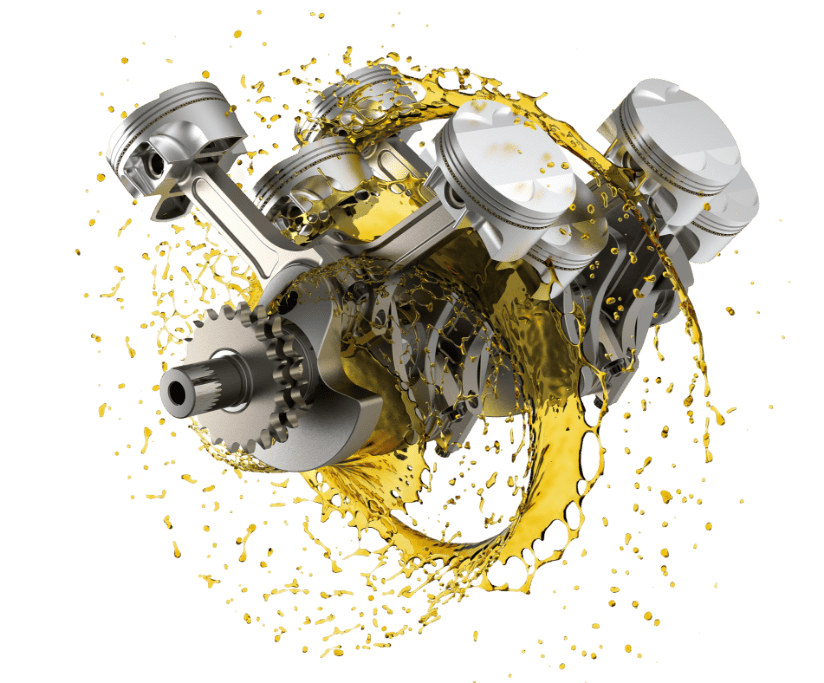
During the manufacturing and processing of carbon steel, suitable lubricants and specialty chemical products help improve process efficiency, reduce friction and wear, and protect the quality of the metal surface. Typical applications include:
- Cutting and Cooling Fluids: Help control heat and friction, flush away metal chips, and extend tool life. The fluid should be selected according to the material and machining operation.
- Forming and Stamping Oils: Reduce friction between the die and workpiece, helping minimize surface scratches, pickup, and excessive tool wear.
- Rust Preventive Oils: Form a protective film that helps shield steel surfaces from moisture and corrosive environments during storage and transportation.
- Industrial Machinery Lubricants: Lubricate hydraulic systems, gears, bearings, and circulating systems in accordance with the machinery manufacturer’s requirements.
Product compatibility should always be checked against the steel grade, manufacturing process, and any subsequent cleaning or coating requirements. Choosing the correct lubricant can help reduce surface defects, minimize unplanned downtime, and support consistent product quality.
7. Storage and Handling Recommendations
- Store carbon steel in a dry, well-ventilated area and avoid standing water or condensation on metal surfaces.
- Keep materials away from chemicals and environmental conditions that may accelerate corrosion.
- Apply suitable protective coatings or rust preventive oils according to the required storage period and transportation conditions.
- Inspect surfaces for rust, oil contamination, and physical damage before processing.
- Follow the Safety Data Sheet (SDS) and the chemical supplier’s instructions when handling industrial products.
8. Conclusion
Carbon steel is one of the most important engineering materials in modern industry because it offers a wide range of properties and applications. Increasing carbon content generally improves the potential hardness and strength of steel, while ductility and weldability tend to decrease. Therefore, the correct grade should be selected based on the required mechanical properties, material standards, manufacturing methods, and service environment.
In addition, selecting appropriate cutting fluids, forming oils, machinery lubricants, and rust preventive products helps maintain carbon steel surface quality, improve manufacturing efficiency, and reduce corrosion-related damage during storage and transportation.
Note: The carbon-content ranges in this article are general reference values. Actual classification and performance depend on the applicable material standard, grade, chemical composition, and manufacturing or heat-treatment process. Always consult the relevant specifications and material test certificates for critical applications.